
Jakarta, Pinto News – Decentralized physical infrastructure networks (Demin) is a class of cryptocurrency projects that combine blockchain technology with real-world physical activities, such as wireless networks, data, and maps, to create a decentralized operational infrastructure.
Participants’ contributions of real hardware, sensors or data are rewarded with tokens, so participants act not only as investors but also as active network providers. These DePIN projects show how cryptocurrencies are not just speculative assets, but are also integrated with real-world utilities that have the potential to boost broader scope. Web3 Ecosystem.
1. Helium (HNT): Decentralized wireless network
Helium It is one of the oldest and most well-known DePIN networks, building wireless networks like LoRaWAN and 5G through community contributions. Participants place hotspot devices at their locations and receive tokens in exchange for providing connectivity that organizations and IoT devices can leverage. This model proves that large-scale communications networks can be built without the dominance of large companies, and creates broader and cheaper access to wireless networks.
Networks like Helium rely on a token incentive model to encourage community participation. As more participants join and connectivity becomes available, the network grows stronger. While Helium’s primary focus is network access, the project’s success lays the groundwork for other DePIN networks seeking to solve complex infrastructure problems.
Read more: 5 key gold price forecasts for the period 2026-2030 in the context of global asset markets

Cell folders It uses Dashcams and user contributors to produce street-level visual maps that are constantly updated. Contributors receive cryptocurrency token rewards by collecting real images and location data used to enrich decentralized maps. This model highlights how DePIN can use simple everyday actions such as driving to collectively strengthen digital infrastructure.
Hivemapper’s visual data helps devices and apps with navigation and logistics, although it is more static and depicts surface conditions rather than dynamic patterns like traffic flow. As such, the project expands the DePIN concept beyond communications networks towards real-world mapping.
3. NATIX Network: Vision-based navigation intelligence
The NATIX Network uses computer vision-based data from dashcams to generate insights about mobility, including traffic, parking availability, and road usage. These data are relevant for smart cities and urban analytics because they provide more dynamic signals about mobility conditions. This project is an example of DePIN’s focus on a specific utility, mobility intelligence, rather than just data storage or network connectivity.
Although narrower in scope, NATIX’s contribution plays a role in mapping real-world physical behaviors that can be monetized through tokens. This shows that DePIN can thrive across different utility sectors.
4. WeatherXM (WXM): Decentralized weather data
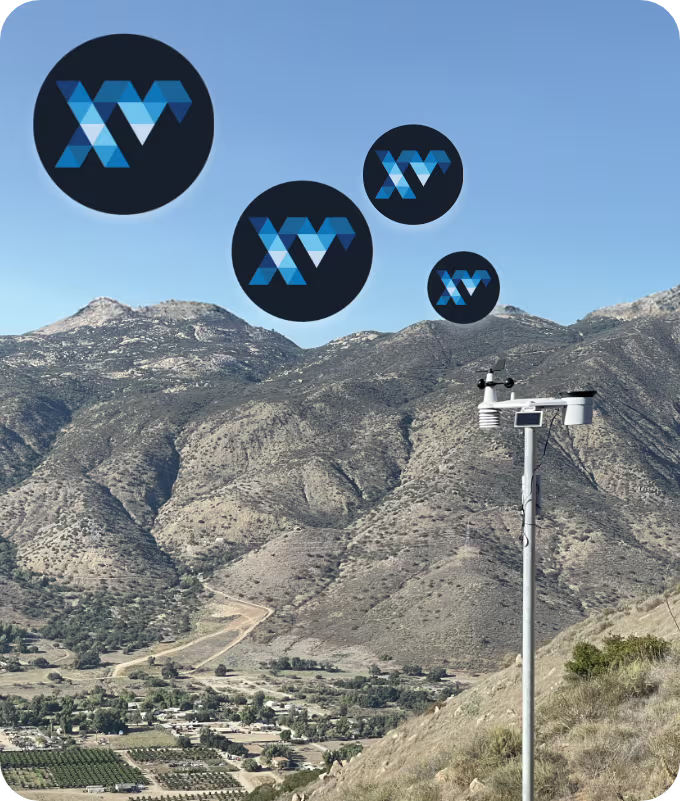
WeatherXM (WXM) is a network of community weather stations that provide local weather data that is more accurate than centralized forecasts. Participants’ contributions in the form of weather station operations generate local climate data important for the agriculture, transportation, and energy sectors. The project embodies the DePIN model, which focuses on collecting real environmental data.
This type of data demonstrates how DePIN not only collects data, but also provides useful context for forecasting and planning in real-world scenarios, especially in regions underserved by traditional sensor networks.
5. Network Roaming (ROAM): Integrated navigation layer
The Roaming Network (ROAM) takes a different approach by converting everyday movements into navigational intelligence that can be used by intelligent machines and systems. The project does not provide just one type of signal, but captures multi-modal data such as movement patterns, signal quality and connection stability across different devices. This allows the system to determine not only where something is located, but also where operations can be performed reliably.
By providing broader context than just access or visual data, Roam Network exemplifies how DePIN can create an infrastructure layer that facilitates automated processes in the real world.
Conclusion: DePIN as a bridge between the real world and cryptocurrencies
The DePIN projects described showcase the many ways in which blockchain and cryptocurrency incentives can be combined with real-world activities to build decentralized infrastructure. From wireless connectivity to physical mapping and mobility intelligence, the DePIN model provides new opportunities for participants to be rewarded with tangible contributions. While this field is still evolving, its increasing adoption indicates that DePIN can become a pillar of real-world infrastructure innovation based on… Blockchain technology.
Read also: 5 Key Insights Expect SHIB to decline first before reaching new ATH
Follow us on Google News To stay up to date with the latest encryption And blockchain technology. Checks Bitcoin price, USDT to IDR and Nvidia stock price Tokenized via Pintu Market.
Enjoy the easy way He believes Crypto trading Try it by downloading Pintu Encryption application Via Play Store or App Store now. And also experience Trading on the Internet With advanced trading tools like professional charts, different types of order types, and portfolio tracking only in Pintu Pro.
*Disclaimer
This content aims to enrich readers’ information. Pintu collects this information from various relevant sources and is not influenced by third parties. Note that an asset’s past performance does not determine its expected future performance. Crypto trading Activities are subject to high risk and volatility, always do your research and use cold cash before Investment. All buying and selling activities Bitcoin Other crypto asset investments are the responsibility of the reader.
reference
-AMBCrypto Team. 5 DePIN projects turn real-world activity into infrastructure Accessed 29 January 2026.