Key takeaways
- DIMO has delivered more than 180,000 vehicles, according to figures published by the project.
- The traded market value of the Decentralized Physical Infrastructure Network (DePIN) sector is estimated at $10 billion, according to a Masari report. DEBIN CASE 2025 a report.
- DIMO vehicle owners connect through Obd2 devices or OEM app integrations with more than 50 manufacturers. The network previously offered token rewards to vehicle owners, but this basic issuance program ended on August 28, 2026, after the implementation of DIP-12.
- Each connected vehicle is minted as a non-fungible token on the Polygon blockchain, creating a verifiable on-chain identity for every vehicle that contributes data to the network.
- DIMO is pivoting toward a session-based economy for car rentals, pay-per-use models, and mobility services that extend the value of its network beyond fixed telemetry sales.
DIMO operates a vehicle data network in the Decentralized Physical Infrastructure Network (DePIN) category, connecting more than 180,000 vehicles, according to figures published by the project. The broader DePIN sector has a traded market value of about $10 billion, according to Masari estimates. DEBIN CASE 2025 a report.
The DIMO model allows car owners to monetize their vehicle telemetry data by selling it to manufacturers, insurance companies and fleet operators through token-gated smart contracts. This article covers how the DIMO data network works, what the DePIN economic model looks like in practice, who buys car data, and where the network is headed as it shifts from fixed data sales toward active mobility services.
How DIMO turns every connected vehicle into a Blockchain data source
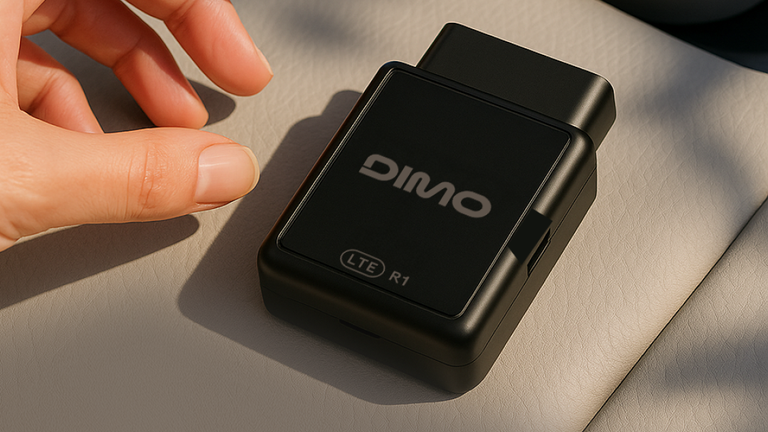
Vehicle owners join the DIMO network by connecting in one of two ways: an OBD2 diagnostic device that plugs into the vehicle’s standard port, or original equipment manufacturer (OEM) app integration with brands like Ford and Tesla. DIMO supports more than 50 OEM integrations across the US, Canada, EU, UK, Norway and Switzerland.
Each connected vehicle is minted as such Non-Fungible Token (NFT) on the Polygon blockchain, creating a unique on-chain identity for the specific vehicle contributing the data. This NFT acts as a verifiable record that links the physical vehicle to it Digital data stream within the network, ensuring that buyers know exactly which vehicle produced the telemetry they are purchasing.
An OBD2 device costs about $300 and captures engine diagnostics, location patterns, fuel consumption, and driving behavior metrics while the vehicle is in operation. DIMO previously required contributors to call in at least once a week to qualify for base token rewards.
This requirement is no longer in effect because the weekly release program ended on August 28, 2026, after implementation of DIP-12.
DIMO has delivered more than 180,000 vehicles, according to figures published by the project. Third-party applications can access vehicle telemetry through DIMO’s Application Programming Interface (API).
What does the DePIN economic model look like for DIMO vehicle owners?
DIMO previously used token rewards to incentivize vehicle owners to contribute telemetry data to its shared marketplace. However, the protocol ended its weekly token issuance to owners of connected vehicles on August 28, 2026, after the implementation of DIP-12. The previously reported estimate of $0.80 daily earnings per connected device, published by Crawlux in May 2026, no longer represents an available rewards stream.
Developers and commercial buyers pay DIMO tokens for access to the vehicle telemetry API, creating demand-side pressure on the value of the token. Token holders also participate in governance through DIMO Improvement Proposals (DIPs), voting on protocol changes, fee structures, and network expansion decisions. The DIMO Foundation, created through DIP-6, oversees network operations.
the DEBIN model It differs from traditional data licensing because contributors retain ownership of their raw data while selling privileged access to the processed output. In the traditional automotive data market, manufacturers and telematics providers own the data generated by their vehicles.
DIMO reverses this relationship by allowing owners to control monetization directly through it Smart contracts on the Polygon blockchain, eliminating intermediaries who typically capture the majority of data licensing revenues in the automotive sector.
Who buys DIMO vehicle data and what do they pay for it?
DIMO’s buyer base includes original equipment manufacturers, insurance companies, and fleet management operators. Manufacturers are purchasing aggregate diagnostic data to identify failure modes, improve warranty programs, and develop predictive maintenance algorithms across their vehicle fleets operating in real-world conditions.
Insurers access driving behavior data to build usage-based pricing models that reflect actual driver risk profiles rather than demographic proxies. This data includes braking patterns, acceleration habits, speed profiles, and mileage tracking, which are the same metrics that Traditional telematics Providers sell at much higher profit margins through proprietary devices that are restricted to specific carriers.
Used by fleet operators Demo data To optimize vehicle utilization, maintenance scheduling and fuel efficiency across distributed commercial vehicle networks. The API provides real-time telemetry that fleet management platforms integrate into their existing dashboards, adding blockchain-verified data provenance without requiring fleet operators to change their drivers.
As of November 18, 2026, DIMO had a market cap of approximately $6.1 million USD and a circulating supply of approximately 442.21 million tokens, according to CoinMarketCap.
The focus is towards the session Mobility servicesincluding vehicle rental and pay-per-use models, represents DIMO’s strategy to expand revenues beyond the fixed telemetry sales that currently drive most of the network’s activities.
Where are DIMO and the DePIN automotive model headed?
DIMO’s planned pivot towards a session-based economy represents a fundamental expansion from passive data collection to active vehicle management services. Car rental operators, ride-sharing platforms, and pay-per-use mobility services can use DIMO’s on-chain vehicle identities to verify vehicle status, track usage, and automate payment settlement through smart contracts.
The broader DePIN vehicle category includes competitors like Hivemapper, which operates nearly 100,000 mapping dashcams to collect data. DIMO’s focus on comprehensive vehicle telemetry rather than single-purpose data collection sets it apart within a broad spectrum Deben landscape As a complete vehicle data platform rather than a specialized sensor network.
DIMO’s partnership with OpenMind through the FABRIC protocol explores vehicle-robot communication, extending network data infrastructure beyond human-driven vehicles. IoTeX W3bstream integration into the roadmap will add off-chain computing capabilities Zero-knowledge proofsenabling data processing to maintain privacy of sensitive vehicle location and behavioral data.
The practical question for DIMO’s growth trajectory is whether its reported base of more than 180,000 connected vehicles can attract enough commercial buyers to support the network, or whether it needs to expand significantly before data licensing revenues become self-sustaining.
The DePIN model is based on network effects where each additional medium increases the value of a data set to buyers, creating a growth cycle Symbolic incentives It alone cannot survive without real business demand driving the buy side of the market.
Frequently asked questions
What is DIMO and how does its vehicle data network work on the blockchain?
DIMO connects vehicles through OBD2 devices or OEM apps, minting each vehicle as an NFT on Polygon to sell telemetry through access to a token portal.
How many vehicles are currently connected to the DIMO data network?
DIMO has delivered more than 180,000 vehicles, according to figures published by the project. Third-party applications can access vehicle telemetry through a network API.
How much can DIMO vehicle owners earn daily from sharing their vehicle data?
DIMO ended its weekly token issuance to connected vehicle owners on August 28, 2026, following the implementation of DIP-12.
Related to5 Most Reliable Oracle Networks for Fetching Real World Data in DePIN
What is DePIN and how does it relate to the DIMO vehicle data network?
Decentralized physical infrastructure networks use incentives and blockchain-based infrastructure to coordinate real-world device networks. DIMO applies this model to vehicle connectivity and telemetry, allowing vehicle owners to share data with developers and commercial users.
Who buys the vehicle data created and shared by contributors to the DIMO Network?
OEMs, insurance companies and fleet operators purchase telemetry data from DIMO for diagnostics, usage-based pricing and vehicle management applications.
How big will the total DePIN sector be in terms of market capitalization in 2026?
The DePIN sector has a traded market capitalization of $10 billion, according to Messari DEBIN CASE 2025 The report was published in January 2026.
What is DIMO’s planned pivot towards session-based mobility services and vehicle rentals?
DIMO plans to expand beyond static data sales to include car rentals, pay-per-use models, and mobility services using on-chain vehicle identities.
References
- My path and escape speed, DEBIN CASE 2025 (January 2026)
- crolux, DIMO vs Helium: Vehicle Data vs Wireless DePIN 2026 (May 2026)
- Deepen space, DIMO ecosystem overview (2026)
- Gateway.com, Explaining the DePIN automotive industry (2025)