
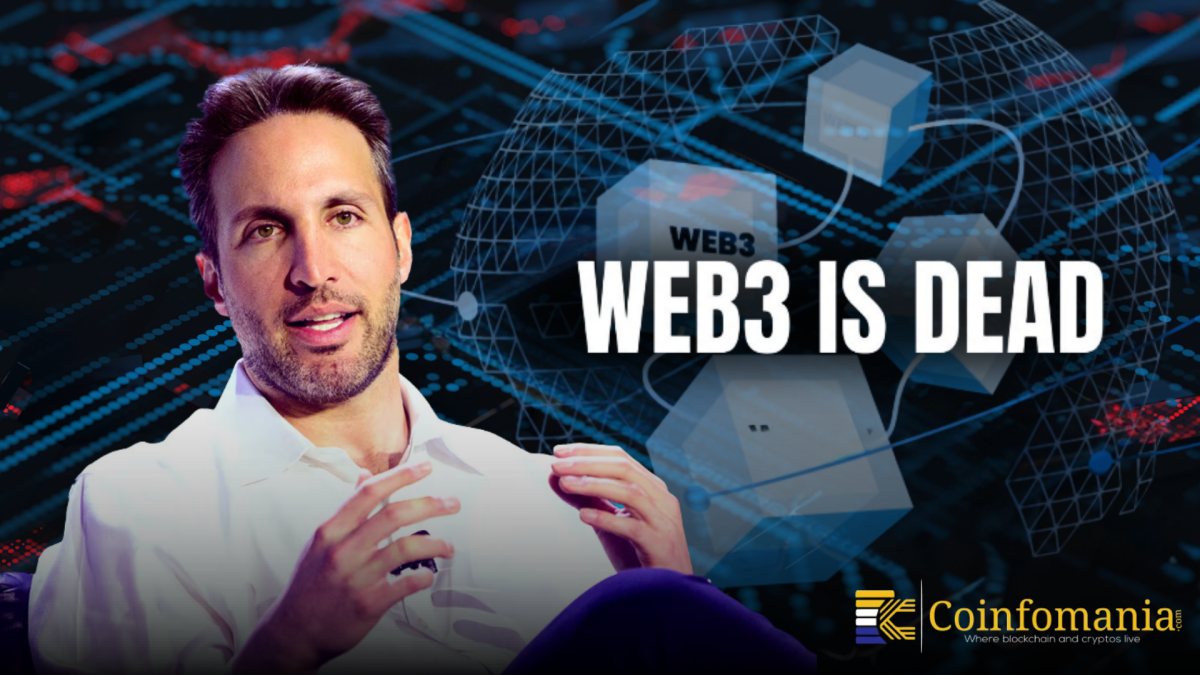
The debate over the future of cryptocurrencies took a sharp turn this week. “Web3 is dead,” declared Kyle Samani, co-founder of Multicoin Capital. He said that only decentralized finance and decentralized physical infrastructure networks remain important.
Kyle Samani, co-founder of Multicoin: Web3 is dead, all that’s left is DeFi and DePIN
Kyle Samani, Chairman of Forward Industries and co-founder of Multicoin, commented: “Web3 is dead. All we have is DeFi and DePIN.”
Earlier, Eli Ben Sasson, CEO of StarkWare and co-founder of Zcash/StarkWare, said that cryptocurrencies… pic.twitter.com/Tj2A7As34i
— Wu Blockchain (@WuBlockchain) June 1, 2026
His comments came in response to comments from StarkWare CEO Eli Ben-Sasson. The StarkWare founder said that the cryptocurrency industry appears to be facing an identity crisis. According to Ben Sasson, many early crypto proponents are leaving while traditional financial institutions are finally embracing the sector. The exchange quickly became one of the most discussed topics in Web3 News. This highlights growing divisions over where the industry is headed.
Cryptocurrency leaders discuss the future of the industry
Ben Sasson first raised concerns about the changing identity of cryptocurrencies in a post on X. He noted that cryptocurrencies originally positioned themselves against traditional finance. But banks, asset managers and large institutions are now major market participants. This shift has created tension within the industry. Many supporters have long viewed cryptocurrencies as an alternative to traditional financial systems. Today, institutional adoption is often celebrated as a sign of success.
In response to the post, Samani offered a candid assessment. “Web3 is dead,” he wrote. “All we have is DeFi and DePIN.” The statement suggests that many of Web3’s broader narratives have lost momentum. Instead, Al-Samani believes investors and developers are focusing on sectors that generate measurable benefit and revenue.
Why DeFi and DePIN continue to attract attention
Decentralized finance It is still one of the largest sectors of cryptocurrencies. It allows users to borrow, lend, trade and earn returns without traditional intermediaries. Meanwhile, DePIN projects link blockchain incentives to real-world infrastructure. These networks support services such as wireless coverage, data storage, and computing resources.
Both sectors have attracted capital despite broader market cycles. As a result, many investors see them as practical applications of blockchain rather than speculative concepts. The latest comments from the CEO of Multicoin Capital reflect a broader trend. Market participants are increasingly prioritizing products with clear business models and active users.
Samani also wonders about the excess fluid
Al-Samani recently sparked another controversy related to… Excess fluid. He said the exchange looked “just as suspicious as Binance.” He claimed that many of the issues previously raised against Binance also apply to Hyperliquid. These statements generated an immediate reaction. Mike Dudas, an investor in 6MV, rejected this comparison. Hyperliquid operates differently than centralized exchanges, he said. Dudas pointed to the platform’s transparency and its token holder-focused economic structure. The dispute highlights growing scrutiny of cryptocurrency platforms as regulators increase oversight across the industry.
What this means for cryptocurrency markets
The discussion arrives during a time of great change in the industry. Spot cryptocurrency ETFs continue to attract institutional capital. Regulatory clarity is improving in many areas. At the same time, many early crypto narratives are being called into question. Some observers believe that Al-Samani’s comments reflect the maturity of the market.
For others, it indicates a narrow vision of what blockchain technology can achieve. Either way, the debate is unlikely to die down soon. As cryptocurrency market news continues to focus on adoption and regulation. The future of Web3 may depend on whether new use cases emerge outside of DeFi and DePIN. For now, Al-Samani believes these are the only sectors still standing.