
Key takeaways
-
Kyle Samani declared that “Web3 is dead” as the cryptocurrency industry debates its future.
-
Only decentralized finance (DeFi) and decentralized physical infrastructure networks (DePIN) have shown lasting benefit, he said.
-
Elie Ben Sasson says cryptocurrencies are facing an “identity crisis.”
-
Other industry figures are making similar calls.
Cryptocurrency industry leaders are increasingly questioning the future of Web3, with cryptocurrency venture capitalist Kyle Samani declaring that “Web3 is dead” amid… Ongoing debate On whether the original vision for the sector has given way to a narrower focus on institutional adoption.
Samani, managing partner at cryptocurrency investment firm Multicoin Capital, made the statement on Sunday in response to StarkWare CEO Eli Ben Sasson, who argued that the cryptocurrency industry was suffering from an “identity crisis.”
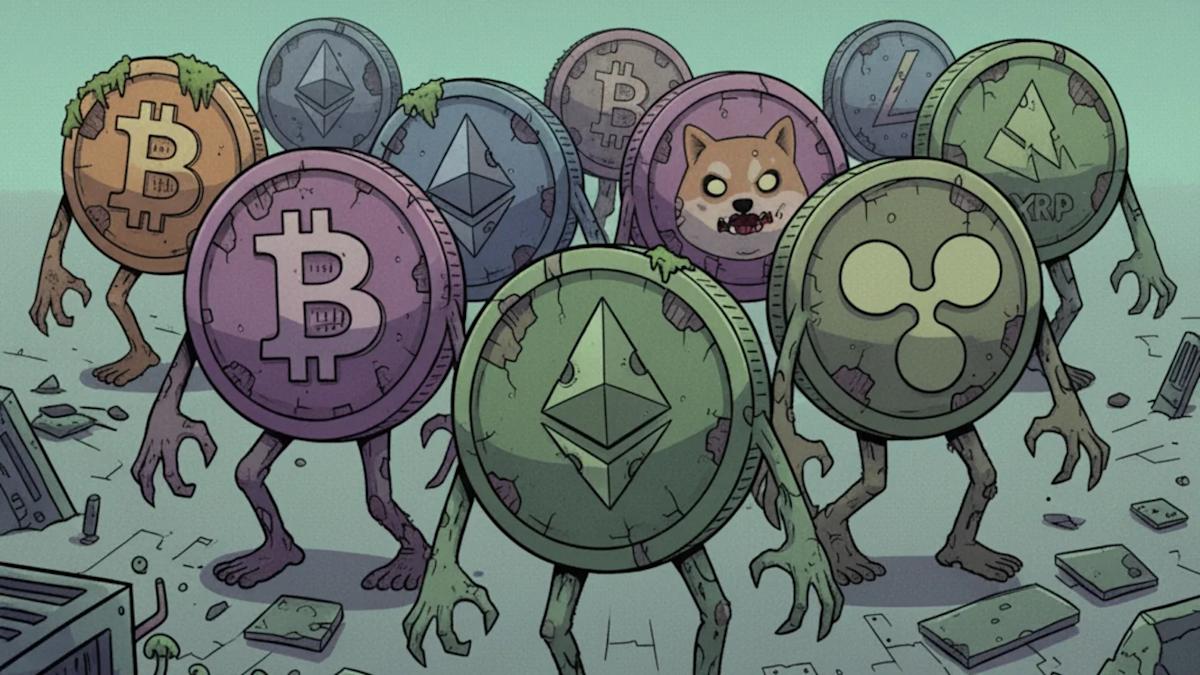
These comments come after several other prominent figures in the space claimed that “most cryptocurrencies are dead,” a sentiment that has proven troubling for many industry traders.
Crypto identity crisis?
On Sunday, Ben Sasson claimed that he believes cryptocurrencies are going through an “identity crisis.”
The famous founder pointed out a contradiction that he said confuses what cryptocurrencies represent.
“On the one hand, many of the OGs have long since left, and on the other hand, we are finally seeing some love from institutions and TradeFi, which is everything crypto has rebelled against,” he wrote.
Adding: “It challenges the fundamental narrative of cryptocurrencies.”
Crypto’s founding narrative, articulated by many of its early developers, positioned it as a decentralized alternative to traditional finance.
With this in mind, the new path for big banks and anything central is dramatically at odds with this foundation.
Although adoption and capital flows have accelerated rapidly, the sector’s early ideological distance from mainstream finance has become blurred.
Is Web3 dead?
In response to Ben Sasson’s comments, venture capitalist Samani blatantly declared that “Web3 is dead”, with only “Defi and Debin” remaining.
The term Web3 emerged as an umbrella description for the decentralized version of the Internet built on blockchain technology.
Under the Web3 vision, digital identities, assets and data were implemented on the blockchain rather than relying on centralized platforms.
The concept also includes decentralized social networks, blockchain gaming, and digital ownership via NFTs.
Web3 gained prominence during the 2020-2021 cryptocurrency bull market as investors poured capital into projects promising to reshape industries ranging from entertainment and gaming to social media.
Fast forward to 2026, and most of that has not been achieved.
Besides a few niche winners, Web3 games have never broken into the mainstream, and the same can be said for decentralized social networks.
Metaverse platforms like Decentraland and Sandwhich has raised significant funding on the back of virtual land sales, continues to report daily active users in the low thousands.
After the initial spike, titles like Axie Infinity saw sharp declines in player numbers and token values once the initial incentives wore off.
NFT trading volumes have also collapsed after peaking in 2022.
What about DeFi and DePIN?
Samani comments that DeFi and Deepin It has survived to retain weight when reduced Wider industry adoption.
DeFi refers to blockchain-based financial applications that allow users to trade, borrow, and earn returns without traditional intermediaries such as banks.
The sector remains one of the largest categories of cryptocurrencies in terms of user activity and value locked.
Reeve Collins, co-founder of Tether who now heads operations at WeFi, He recently told CCN It was focused on building an infrastructure layer that would allow financial institutions to integrate blockchain payments.
“We have the technology that enables us to reach every person in the world with a smartphone in their pocket,” he said.
Meanwhile, DePIN projects use token incentives to encourage participants to deploy and operate physical infrastructure.
Samani’s venture capital firm, Multicoin Capital, has long focused on DePIN investments.
The company’s portfolio included projects to build decentralized infrastructure for wireless networks, computing and data.
A chorus of “Web3 and Crypto are dead” claims.
Samani’s comments are the latest in a series of high-profile pronouncements that large segments of the cryptocurrency industry are unlikely to survive.
Last week, Corey Klipsten, CEO of Swan Bitcoin, said that sentiment among industry executives has shifted significantly toward Bitcoin and financial infrastructure.
“Last week I spoke on a banking conference panel with three crypto executives, and all three said there is no thesis where altcoins maintain value,” Klipsten wrote on X.
“The broader industry is Bitcoin, financial infrastructure and RWAs,” he added. “Cryptocurrency Executives Are Max Holders of Bitcoin Right Now.”
Meanwhile, Anthony Pompliano, a prominent Bitcoin investor and entrepreneur, delivered a similar message after the 2026 Consensus conference in Miami.
In a video clip posted on the X website, Pompliano warned “Most of the cryptocurrency industry is dead and will never come back,” arguing that speculative cryptocurrencies and thousands of blockchain projects are unlikely to survive.
“The industry used to be defined by hardcore evangelists,” Pompliano said. “Now the industry is full of mercenaries.”
Pompliano argued that the market shakeup was necessary to redirect capital and talent toward projects of real benefit.
“Ultimately, cryptocurrencies will just become finance,” he said.
“Things that try to remain crypto-only are going to be the things that end up dying.”
The most popular crypto articles
this post Cryptocurrency venture capitalist says Web3 is dead, claims only DeFi and DePIN remain – why? appeared first on ccn.com.